
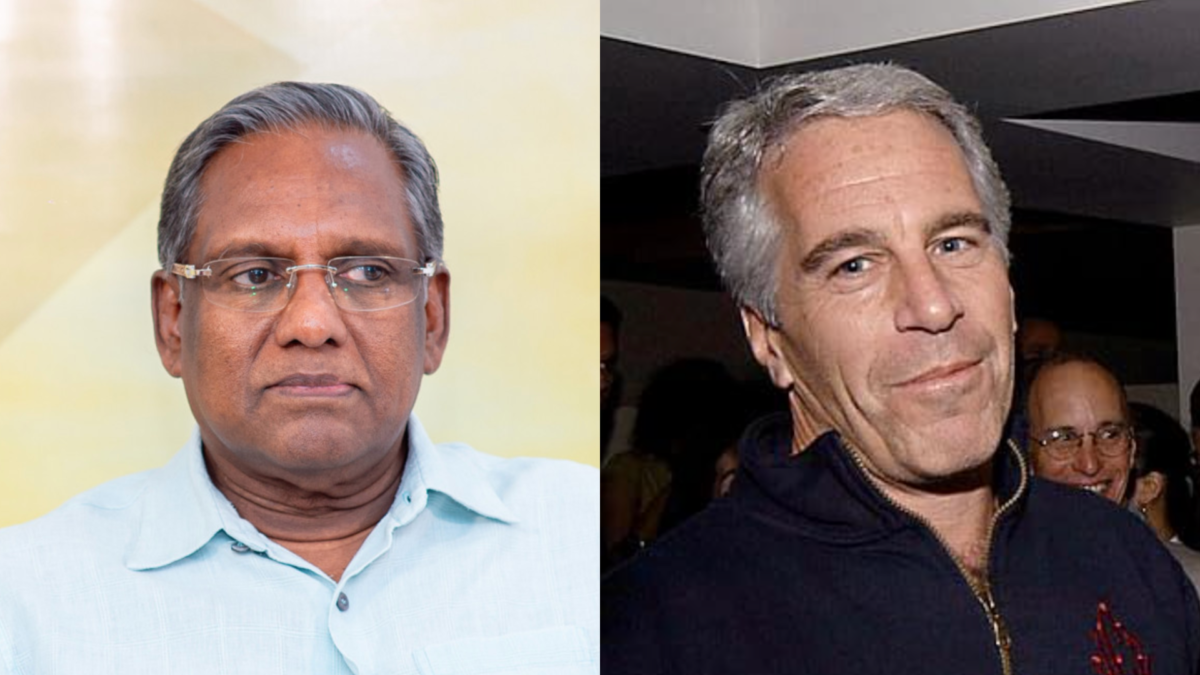
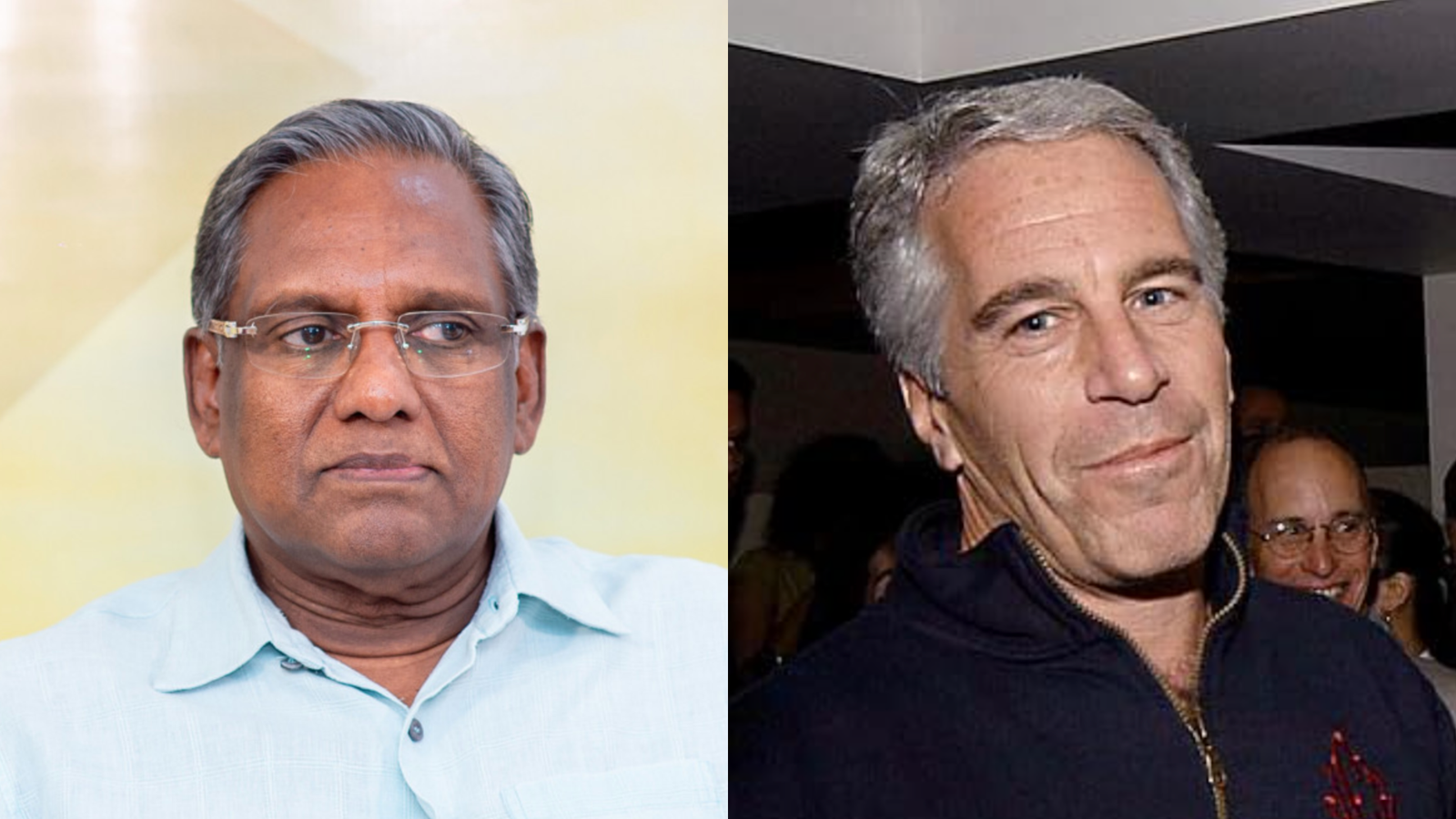
Emails released by the United States Department of Justice on 30 January 2026 show sustained contact between former president Mohamed Waheed Hassan Manik and convicted sex offender Jeffrey Epstein, beginning on the day Waheed took office in 2012 and continuing for years after he left power.
The material forms part of a large disclosure under a transparency law passed by the US Congress in late 2025. The release includes emails, memos, images and videos linked to Epstein’s activities across several decades.
On 7 February 2012, President Mohamed Nasheed resigned under heavy pressure, in what he later described as a coup. His vice president, Waheed, assumed office the same day. Within hours, Waheed contacted Epstein’s associate Ian Osborne using a state-issued device, according to the emails. He rejected Nasheed’s account of events and sought help on media strategy and access to foreign decision-makers.
The exchanges continued in the weeks that followed. Waheed later emailed Epstein directly, referring to work being handled from a New York office ahead of a former president’s visit. The message offered no detail on the arrangements.
By July 2012, the emails turned to finance. Waheed wrote to Epstein seeking advice on raising USD 500 million, proposing a sovereign guarantee and tax increases to support repayment. Epstein later forwarded the message to Jes Staley, then a senior executive at JPMorgan.
In August 2012, the Maldives received a USD 500 million loan from China, according to international media reports. The released files draw no direct link between the loan and the earlier correspondence, but show Epstein as one of the first people Waheed consulted.
In September 2012, Waheed and his wife visited Epstein at his Manhattan residence. An email arranging the dinner included a brief line on food preferences, stating: “We eat and drink everything.” The exchange appears routine, yet sits within a broader record of political and financial discussions.
As the 2013 presidential election approached, the tone of the correspondence sharpened. Epstein questioned the circumstances of Nasheed’s resignation, challenged findings of official inquiries, and asked about voter behaviour and religious influence. Waheed shared updates on parliamentary unrest and alliance talks.
An internal campaign memo circulated to both men proposed using Islam as a strategy against Nasheed. The emails show Epstein engaging directly with campaign thinking during the election period.
In early 2013, when Waheed’s finance minister promoted a USD 4 billion deposit scheme, Epstein warned by email that the proposal resembled an advance-fee fraud. Waheed replied, thanking him and saying he would follow the advice.
Waheed went on to secure 5.13 percent of the vote in the election. Despite the defeat, the correspondence continued. Waheed blamed foreign interference, shared official briefings, and remained in contact after leaving office.
In May 2014, Waheed and his son dined again with Epstein in New York. Subsequent emails show Waheed pitching island development projects valued from tens to hundreds of millions of dollars, with attached financial forecasts. He later sought help funding a memoir about his presidency, citing six-figure costs quoted by publishers.
Other messages touch on placing favoured individuals in resort roles, policing gangs, and references to global investors. One email includes a screenshot in which Waheed appeared to send Epstein a personal question by mistake, asking about access to a Facebook account.
Smaller sets of Epstein-related emails surfaced earlier. The January release adds scale and sequence, showing a former head of state treating Epstein as an adviser and intermediary across politics and business, years after Epstein’s 2008 conviction.