
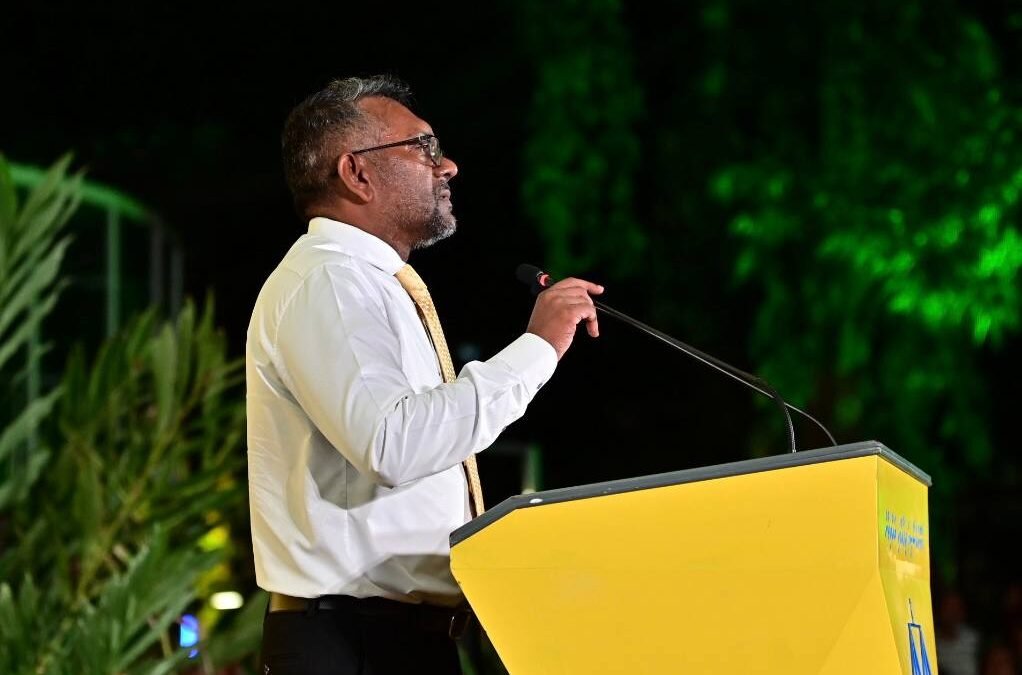
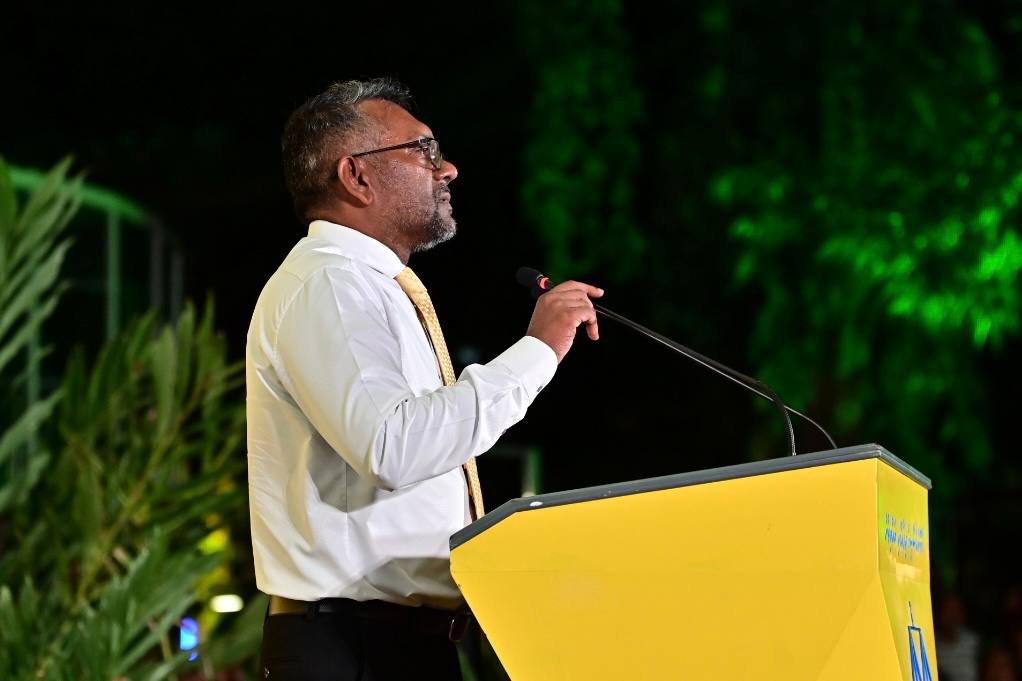
Former Maldivian Democratic Party (MDP) chairperson Fayyaz Ismail has accused the Muizzu government of failing to plan for a major external debt obligation, warning of serious risks to foreign reserves, investor confidence and national sovereignty.
In a post on X, Ismail said a USD 500 million sovereign Sukuk due in April was a known liability that required advance preparation. He questioned why, after more than two years in office, the government had not presented a clear refinancing strategy or communicated with the public.
Ismail, who served as economic minister under former president Ibrahim Mohamed Solih, said refinancing sovereign debt was a normal and prudent practice. He pointed to 2021, when the MDP-led administration refinanced an existing US dollar bond through the Maldives’ first international Islamic Sukuk, stabilising reserves and maintaining investor confidence during the global COVID-19 crisis.
“This silence raises serious concerns,” Ismail said. He asked whether the government had a plan, whether it was worried about the repayment, or whether a last-minute scramble was under way. He warned of risks including partial repayment, rushed private borrowing on opaque terms, heavy use of international reserves and the Sovereign Development Fund, and a sharp reduction in the country’s foreign currency buffer.
Ismail also raised concerns over rumours of land sales to foreigners, saying any such move would pose risks to national sovereignty.
He said the current situation was more troubling because the present administration inherited a recovering economy, rising state revenues and strong tourism growth. According to Ismail, this period should have been used to reduce debt rather than allow pressures to build.
During the COVID-19 period, Ismail said, the MDP government faced an unexpected collapse in tourism and a loss of more than MVR 25 billion in state revenue. He said borrowing at the time was unavoidable to keep the state functioning, protect jobs, support businesses and sustain welfare systems.
He said the economic outcome showed the approach had worked, with a tourism-dependent economy surviving one of the most severe global crises in recent history.
By contrast, Ismail accused the current government of using debt for political priorities, including military equipment and an expanding number of political appointees, with limited visible benefits for island economies or livelihoods. He said the small and medium enterprise sector was deteriorating and warned that rebuilding it would take decades.
Ismail called on the government to provide clear answers on the status of the Sukuk refinancing and address reports of borrowing at double-digit interest rates, which he said would worsen repayment pressures in coming years.
“The public and businesses deserve transparency,” he said, adding that the country needed clarity on whether it was heading towards economic collapse or stability.