
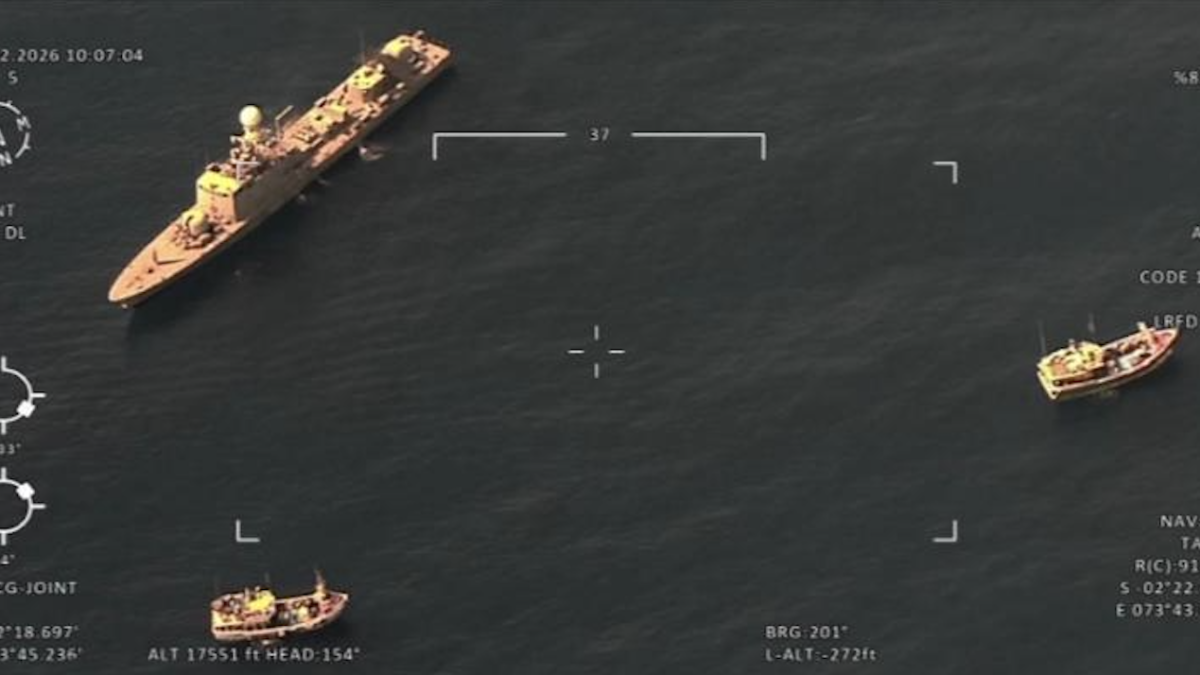
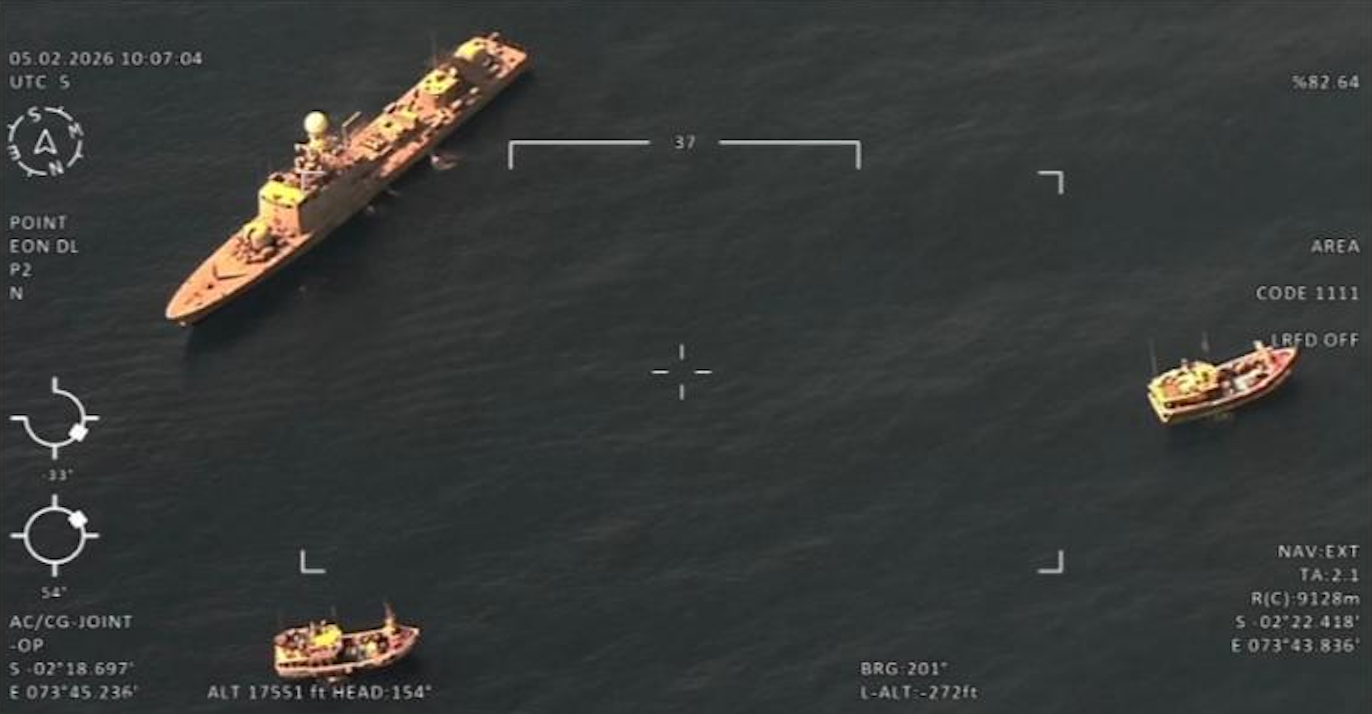
The Maldives has taken control of the territorial waters of the northern Chagos area, the Ministry of Defence said on Thursday, directly challenging a ruling by the International Tribunal for the Law of the Sea (ITLOS).
In a statement posted on X, the Maldives National Defence Force (MNDF) said the MNDF Coast Guard ship Dharumavantha and Air Corps drones had launched a special surveillance operation over the southern special economic zone. The operation began on 4 February and covers 200 nautical miles from the southern baseline.
The defence ministry said the action followed President Mohamed Muizzu’s declaration during the 2026 presidential address to parliament on Thursday. The statement said the state does not recognise any changes to Maldivian territory as defined under the Constitution and national laws.
Citing Article 115(d) of the Constitution, the ministry said the president bears responsibility for safeguarding independence and territorial integrity. It also cited Article 243, the Armed Forces Act and the Maldives Maritime Zones Act as the legal basis for continued military monitoring and protection of maritime zones, including the exclusive economic zone.
The update followed an announcement earlier on Thursday by President Muizzu during the opening session of Parliament. He said his administration had withdrawn a letter sent by former president Ibrahim Mohamed Solih to the prime minister of Mauritius on the sovereignty of the Chagos Archipelago and would challenge the ITLOS ruling on the maritime boundary between the Maldives and Mauritius.
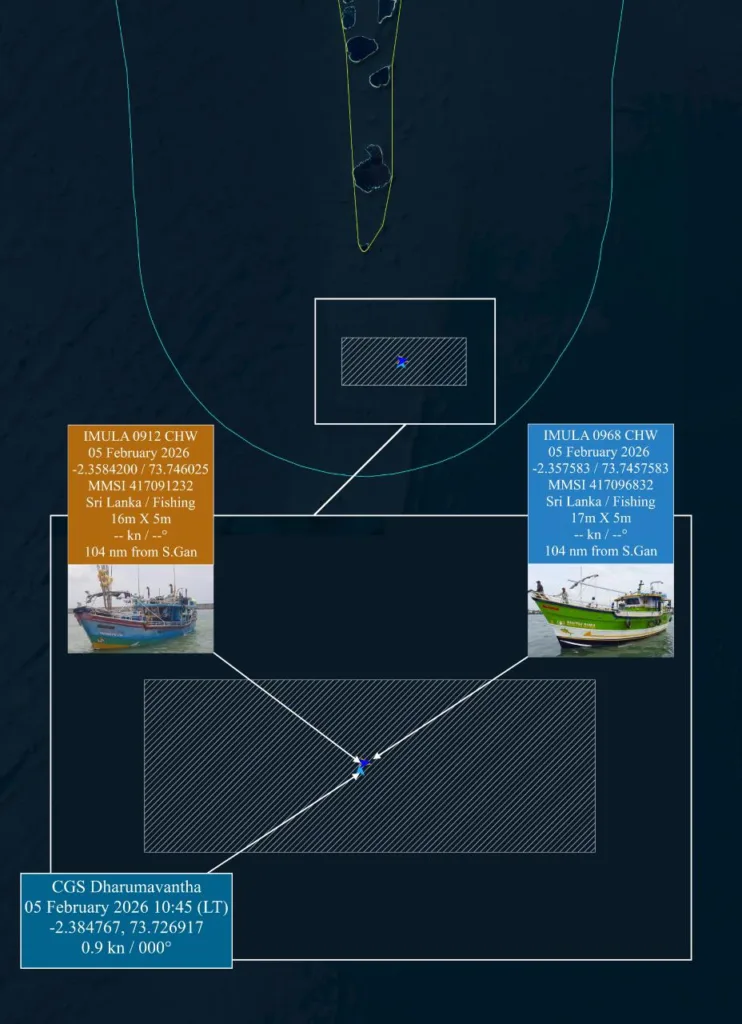
Muizzu said the decision followed consultations with cabinet ministers and local and international legal experts. He said expert advice indicated the letter sent by the previous administration had adversely affected national security and maritime territory.
Under the ITLOS ruling, the Maldives received about 92,563 square kilometres of disputed maritime area while losing around 45,331 square kilometres from areas previously claimed as part of its exclusive economic zone.
The president said the government would not recognise the maritime boundary determined by the tribunal. He said Maldivian exclusive economic zone limits were already defined under domestic law through archipelagic baselines set out in the Maritime Areas Act.
Muizzu also said his government had engaged the British government on the Chagos Archipelago. He said two letters had been sent to the British side asserting a stronger Maldivian claim over Chagos than Mauritius. He also said a telephone conversation had taken place with the British deputy prime minister.
The maritime dispute links to the Chagos Archipelago. The tribunal relied in part on an advisory opinion by the International Court of Justice, which found sovereignty over Chagos lies with Mauritius and described the United Kingdom’s former administration of the islands as unlawful. The advisory opinion influenced the maritime delimitation.
Muizzu accused the previous administration of legal missteps during the proceedings. The former government has rejected the allegation.
The president announced the formation of a commission of inquiry to investigate how the case was handled under the previous administration. He also said experts had advised the creation of a special government office to manage legal, technical and diplomatic work related to the dispute.
The move marks the first publicly known instance in modern Maldivian history of a sitting president withdrawing formal correspondence sent by a former president to another head of government. It also marks the first known instance in modern times of the Maldives deploying its military in an active surveillance role to assert control over a disputed maritime area.